
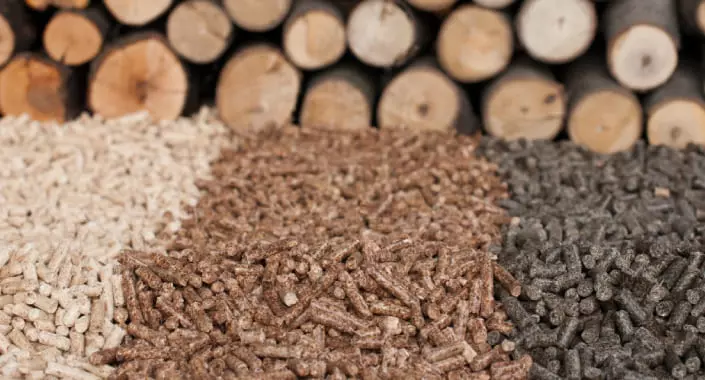

The search for cleaner, more sustainable energy sources has led to some unexpected solutions. One of them is the humble wood pellet. Once a niche product for small-scale heating, wood pellets are now part of the global push toward energy diversification.
For any business or government working with a biomass wood pellet supplier, the appeal is clear. Wood pellets offer a renewable, compact, and efficient source of fuel that works across a range of energy systems, from industrial boilers to power plants.
Simple but Effective Fuel
At their core, wood pellets are just compressed sawdust and wood shavings. But the way they are produced makes them a consistent, easy-to-handle fuel source. They burn cleanly compared to traditional coal or oil, and they can be stored in bulk without too much hassle.
Their small, dense form also makes them more efficient to transport than raw biomass like logs or chips. This lowers shipping costs and simplifies logistics for large scale users.
A Step Toward Carbon Neutral Energy
Because wood pellets are made from waste materials and renewable forestry byproducts, they are often considered a carbon-neutral fuel. When sourced sustainably, the carbon dioxide released during combustion is roughly balanced by the carbon absorbed during the growth of the original trees.
Of course, this depends on proper forest management and supply chain practices. Reputable suppliers ensure that their raw materials are sourced from certified forests and that production meets international sustainability standards.
Flexible for Multiple Applications
One reason wood pellets have caught on globally is their versatility. They can be used in domestic heating systems, commercial boilers, and even retrofitted coal power plants. That flexibility allows them to be slotted into existing infrastructure without a total overhaul.
In regions aiming to reduce dependence on fossil fuels, wood pellets offer a realistic bridge. They can be introduced gradually while new renewable systems are being developed.
Helping Countries Diversify Energy Portfolios
Governments around the world are looking to diversify their energy sources for both environmental and economic reasons. Relying too heavily on oil or coal creates long-term risk, especially with volatile pricing and climate pressures.
Wood pellets provide a way to spread out energy inputs. They can be domestically produced or imported, and they work well alongside solar, wind, and hydro systems as part of a mixed strategy.
Stable Supply Chains Are Key
With growing demand, the reliability of supply becomes a big factor. A strong biomass wood pellet supplier will have the infrastructure to meet bulk orders consistently and manage shipping, storage, and local regulations.
Long-term contracts and strategic partnerships are common in this space. Buyers want assurance that they will have fuel when they need it, without fluctuation in quality or availability.
Sustainable Energy Without Starting Over
Perhaps the biggest reason for the rise of wood pellets is that they offer a cleaner energy option without needing to start from scratch. Boilers can be converted, shipping systems adjusted, and policies updated all while using a fuel source that is available now and ready to scale.
That combination of practicality and sustainability is why wood pellets continue to gain traction in energy strategies around the world.
Comments are closed.