
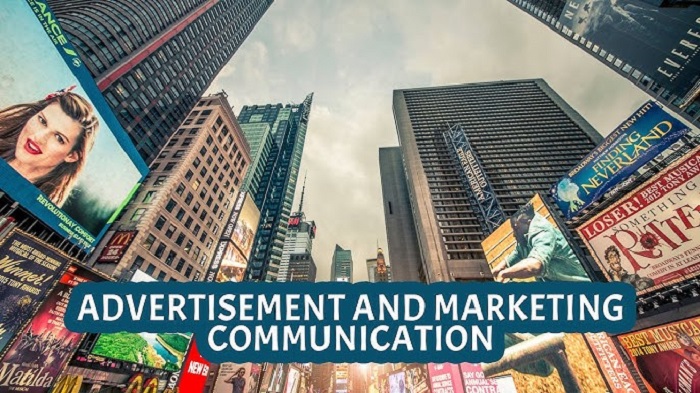

Introduction to Advertising
Advertising is a structured communication process used to promote products, services, or ideas to a defined audience. It plays a crucial role in influencing consumer behavior, building brand identity, and driving business growth.
Rather than simply selling, modern advertising focuses on creating value, trust, and long-term relationships with consumers.
How Advertising Has Evolved
Advertising has undergone a significant transformation:
- Early Advertising
- Word-of-mouth and town criers
- Printed posters and newspaper ads
- Mass Media Expansion
- Radio and television campaigns
- Celebrity endorsements
- Digital Transformation
- Online ads and search engines
- Social media platforms
- Mobile-first campaigns
Today, advertising is highly interactive, personalized, and data-driven.
Major Types of Advertising
1. Print Media Advertising
Includes newspapers, magazines, brochures, and catalogs. Best suited for local and niche audiences.
2. Broadcast Advertising
Delivered through television and radio. Ideal for reaching large audiences quickly.
3. Digital Advertising
The most dynamic and widely used form:
- Search Ads (Google, Bing)
- Social Media Ads (Facebook, Instagram, LinkedIn)
- Display Ads (banners and pop-ups)
- Video Ads (YouTube, OTT platforms)
4. Outdoor Advertising
Physical placements such as billboards, transit ads, and signage in public spaces.
5. Content-Based Advertising
Includes sponsored content and native ads that blend naturally with editorial content.
Essential Components of Successful Advertising
Effective advertising campaigns share these core elements:
- Compelling Message
Clear, concise, and focused on audience needs - Audience Targeting
Understanding demographics, interests, and behavior - Emotional Connection
Storytelling that resonates with feelings and experiences - Strong Call-to-Action (CTA)
Directs users toward a specific action - Consistent Branding
Unified tone, visuals, and messaging across channels
The Psychology Behind Advertising
Advertising works because it taps into human behavior and decision-making patterns:
- Urgency and Scarcity
Limited-time offers encourage quick decisions - Social Influence
Reviews and testimonials build trust - Authority and Credibility
Expert endorsements enhance reliability - Repetition Effect
Frequent exposure increases recall and familiarity
Understanding these principles helps brands create persuasive campaigns.
Current Trends in Advertising
Advertising continues to evolve with emerging technologies and consumer expectations:
- Personalized Experiences
Tailored ads based on user data - Influencer Collaborations
Leveraging trusted personalities for promotion - Short-Form Video Content
Highly engaging and shareable formats - AI and Automation
Smart targeting and campaign optimization - Privacy-Centric Marketing
Ethical handling of user data
Benefits and Limitations of Advertising
Benefits
- Expands brand awareness
- Drives sales and revenue
- Enables targeted communication
- Offers measurable results
Limitations
- High competition for attention
- Risk of ad fatigue
- Dependence on data accuracy
- Growing concerns over privacy
A balanced strategy is necessary to maximize impact while minimizing drawbacks.
The Future of Advertising
The future of advertising lies in innovation and authenticity. Technologies such as augmented reality, artificial intelligence, and immersive experiences will redefine how brands interact with audiences.
Consumers now expect relevance, transparency, and meaningful engagement, making ethical advertising more important than ever.
Conclusion
Advertising remains a powerful force in shaping markets and consumer choices. Its evolution from simple announcements to sophisticated digital strategies highlights its adaptability. Businesses that focus on creativity, data, and customer-centric approaches will continue to succeed in this ever-changing landscape.
FAQs
1. What makes advertising effective?
Effective advertising combines a clear message, strong visuals, emotional appeal, and precise audience targeting.
2. Is digital advertising better than traditional advertising?
Digital advertising offers better targeting and tracking, while traditional advertising is still useful for mass awareness.
3. How important is branding in advertising?
Branding ensures consistency and helps build recognition and trust among consumers.
4. What role does data play in advertising?
Data helps advertisers understand audience behavior and optimize campaigns for better results.
5. What are native ads?
Native ads are promotional content designed to match the format and style of the platform they appear on.
6. How can small businesses benefit from advertising?
They can use targeted digital ads and cost-effective strategies to reach specific audiences and grow their brand.
7. What is the biggest challenge in advertising today?
Capturing attention in a saturated market while respecting user privacy is one of the biggest challenges.
Comments are closed.